The Butler Garden Club offers expert advice on planting echinacea, rudbeckia, zinnias, and celosia for vibrant garden displays. Tips include selecting proper sun exposure, controlling weeds, and following monthly maintenance checklists to ensure year-round color and health.
Butler Garden Club’s June Guide: Perennials and Annuals for a Vibrant Garden
By: Eddie Trizzino
Date: June 18, 2025
Location: Butler Township, PA
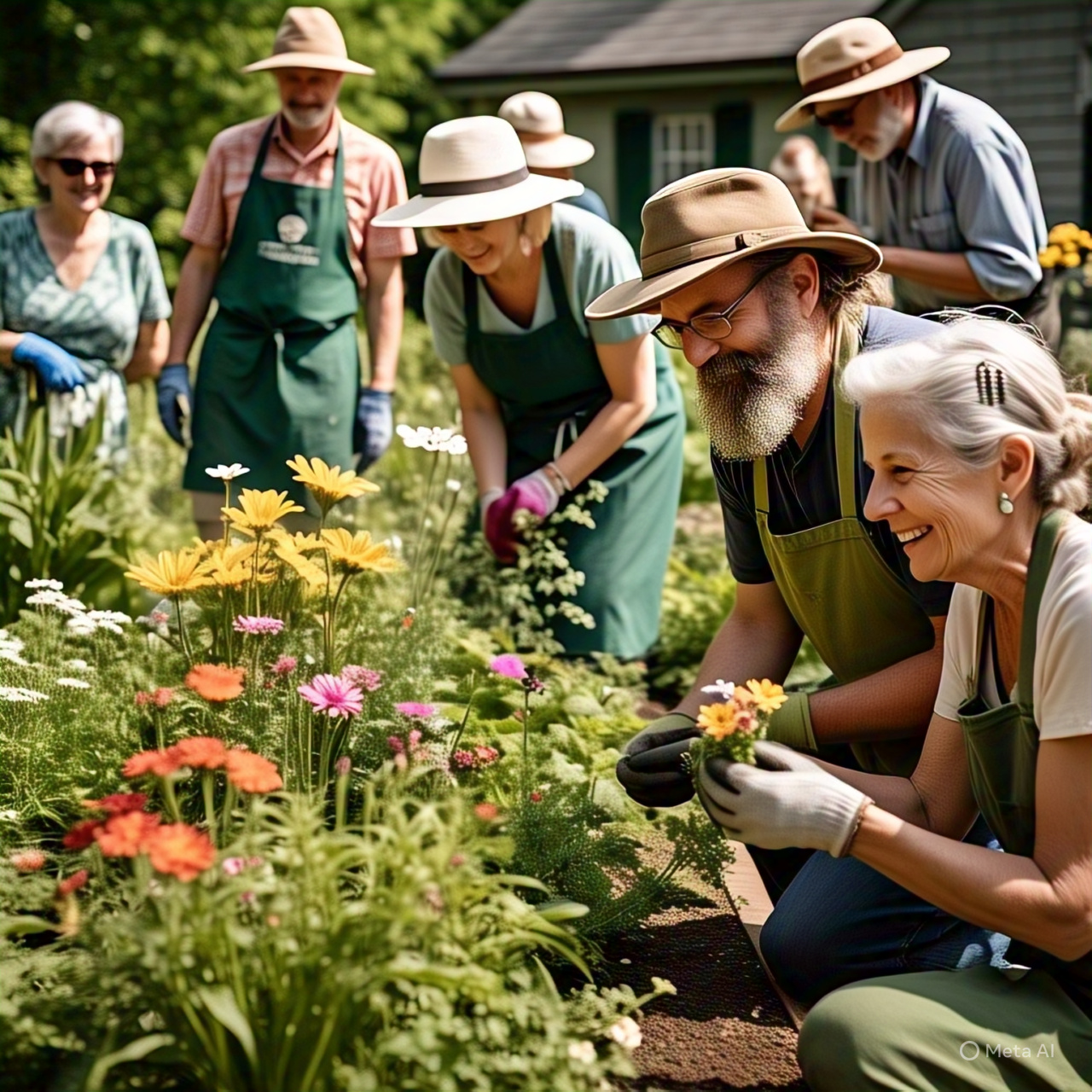
The Butler Garden Club has revealed its top June gardening strategies, focusing on a smart combination of perennials and annuals. Their carefully maintained flower beds on North Main Street, inspired by the Western Pennsylvania Conservancy, highlight which plants thrive with the least effort while still delivering maximum beauty.
Perennials – Long-Term Beauty with Less Effort
Perennials are the backbone of any well-planned garden. Once planted, they return year after year, saving time and money. The Butler Garden Club relies on varieties like echinacea, rudbeckia, switchgrass, false indigo, winterberry, and red twig dogwood. These plants tolerate cold winters, reappear strong in the spring, and need minimal care once established.
To keep perennials thriving, follow this care:
Plant them in areas with appropriate sunlight as described on their tags
Use well-draining soil and raised beds if drainage is poor
Water regularly during hot months
Weed consistently to prevent competition for nutrients
Prune faded flowers and provide support to tall plants
Pat Montag of the Butler Garden Club noted that nearly every perennial planted last year returned this spring in full bloom, showing the strength of their choices.
Annuals – Bright Bursts of Seasonal Color
Annuals bring fast-growing color and are perfect for borders or container gardens. This year, zinnias and celosia are the featured annuals. These flowers are low-maintenance and continue to bloom with just regular watering. According to club member Mickey Stewart, annuals like these are ideal for gardeners who want instant beauty without much effort.
Annuals last for one growing season. They are ideal for filling gaps between perennials or giving the garden a fresh look each year.
Step-by-Step Gardening for June
Start June by reviewing plant labels to understand sunlight and water needs
Prepare the soil using compost or organic matter
Stake taller perennials early so they grow upright
By mid-June, add annuals like zinnias and celosia
Remove weeds to help plants thrive
Water frequently, especially for newly planted flowers
Watch for pests such as aphids or fungal issues
At the end of June, deadhead faded blooms to extend flowering
Divide overgrown perennials to promote better growth
Mulch garden beds to retain moisture and control weeds
Keep checking your garden regularly. Deadhead annuals weekly for continuous blooms. Water in the morning and adjust based on rainfall and temperature.
Tips for a Healthy Summer Garden
Always read plant tags to avoid placement mistakes
Apply mulch to reduce weeding and hold moisture
Pinch back soft new growth to encourage fuller plants
Support tall perennials early with sticks or garden ties
Divide older plants every few years to refresh their growth
Why Combine Perennials and Annuals
Using both perennials and annuals allows for structure and seasonal excitement. Perennials return every year, providing consistency. Annuals change each season, allowing you to experiment with new colors and designs. Together they create a beautiful and dynamic garden.
Community Gardening Impact
Beyond private gardens, the Butler Garden Club helps beautify public areas. They work with community groups like the Intermediate League of Butler to plant flowers across shared spaces. These efforts bring joy, attract pollinators, and make the area more welcoming for everyone.
Tools and Materials for June Gardening
Gardening gloves and a hand trowel
Clean pruners for cutting and shaping
Compost for soil improvement
Organic mulch like wood chips or straw
Fertilizer suited for blooming plants
Simple pest solutions like neem oil or soapy water
Support sticks for tall flowers
Final Thoughts
June is a crucial month in the garden. The work you do now sets the tone for summer and fall blooms. Use this time to clean up, plant, water, and stay consistent. Rely on hardy perennials to carry your garden year after year, and use annuals to add fresh energy every season.
The Butler Garden Club’s June strategy proves that even a small garden can shine with the right plants and regular care. Whether you're working in your yard or volunteering in a community space, gardening is an act of creativity, care, and connection.

















Comments 0